
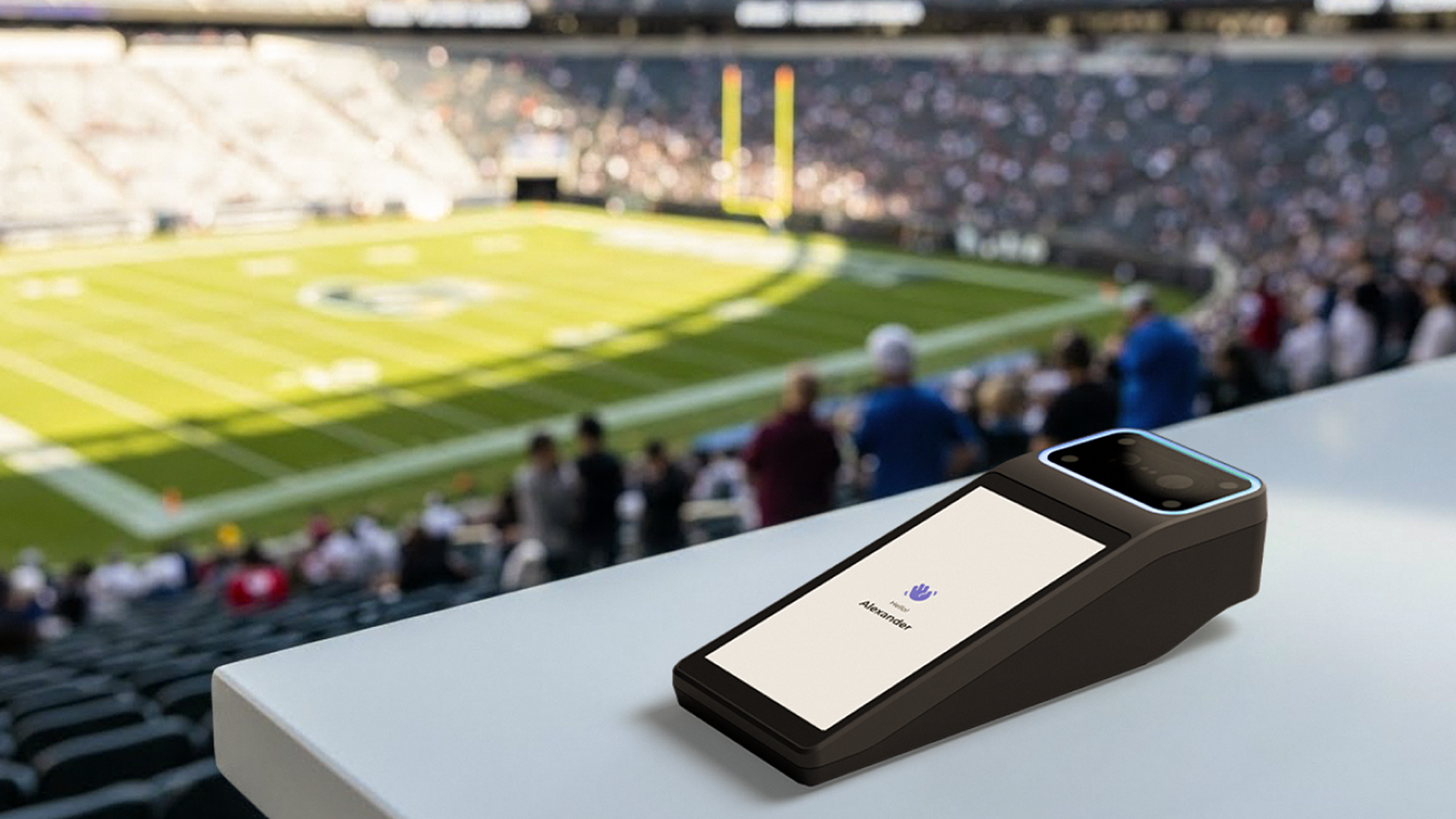
How stadiums can use biometric identity to transform the fan journey from entry to exit.
The modern fan experience demands speed and simplicity
Sports games and live concerts are designed to be high-energy, communal experiences. Yet for many fans, the first hour of a game or show involves waiting in multiple lines: at ticketing gates, security checkpoints, concessions, merchandise stands, and restrooms. Every bottleneck creates frustration and eats into the moments that matter most.
As stadiums compete to deliver better fan experiences and drive higher revenue per visitor, traditional ticketing and payment methods are showing their limits. Mobile barcodes can be shared or duplicated, cash slows down transactions, and scanning QR codes at crowded entrances creates choke points. This is where biometric ticketing and contactless payments emerge as powerful solutions. By linking identity directly to the fan through technologies like palm recognition, stadiums can create a faster, more secure, and more personalized experience across every touchpoint.
Fast lanes: reinventing stadium entry with biometrics
The first and most impactful place to implement biometric ticketing is at the stadium gates. By creating biometric fast lanes, stadiums can dramatically reduce wait times while enhancing security.
Fans who register in advance can simply walk up to a gate, wave their palm over a palm scanner, and gain instant entry. There’s no need to fumble for a phone, search for a digital ticket, or scan a QR code. Because the biometric template is tied to their ticket in the backend, the verification process happens in seconds.
For operators, this means higher throughput, fewer manual checks, and reduced opportunities for fraud or ticket sharing. For fans, it means walking through the gates without breaking stride, a truly frictionless start to game day.
Transforming concessions and stadium dining
Once inside the venue, biometric contactless payments can be deployed at concession stands and restaurants to solve one of the most persistent friction points: slow lines for food and drinks.
Traditional payment methods involve multiple steps—ordering, presenting a card or mobile wallet, waiting for authorization, and receiving a receipt. With biometric payments, the fan simply waves their palm to pay. The system verifies their identity and authorizes the transaction in one fluid motion.
For stadium operators, this reduces transaction times, increases sales per minute, and allows staff to serve more customers efficiently. For fans, it minimizes time spent away from the action and creates a consistent, modern experience across the entire venue.
Seamless retail and self-service kiosks
Merchandise sales are another area where biometrics can create value. Integrating palm-based payments into team stores, pop-up retail zones, and self-service kiosks gives fans a simple, uniform way to complete transactions without cards or phones.
In high-traffic environments, even small reductions in transaction time have a meaningful impact on revenue and fan satisfaction. Self-service kiosks and vending machines equipped with biometric readers can operate unattended, offering grab-and-go options that match the pace of live events. Fans can purchase drinks, snacks, or merchandise with a quick wave, without waiting in traditional lines.
Loyalty and fan engagement are built on identity

Beyond access and payments, biometric ticketing can also power loyalty programs and personalized experiences. When a fan’s palm becomes their universal ID inside the stadium, every interaction—from entering the gate to buying merchandise—can accrue loyalty points automatically.
Fans no longer need to scan separate cards or apps to participate in rewards programs. This unified identity layer enables stadiums to deliver tailored offers, exclusive experiences, or seat upgrades in real time, deepening the relationship between the venue and the fan.
Elevating VIP areas and premium experiences
Premium suites and VIP zones are high-value areas that require strict access control. Traditional wristbands, paper credentials, or manual ID checks are prone to misuse and slow down entry. With biometric access control, only enrolled guests can enter these spaces, verified by their palm in seconds.
This approach increases security while maintaining a premium feel—guests experience seamless entry without carrying extra credentials. For operators, it eliminates the need for manual staff checks and reduces the risk of unauthorized access.
Enrollment before arrival: setting the stage for seamless access
The biometric journey starts well before the fan arrives at the stadium. Fans can pre-register online, linking their ticket to their biometric identity from home or on their mobile device. When they arrive, they simply enroll their palm on a biometric device in seconds.
This pre-event enrollment process is critical for scaling biometric fast lanes and ensuring smooth adoption. It reduces congestion at gates, minimizes on-site setup, and allows fans to opt into a better experience voluntarily and securely.
Why biometric ticketing and contactless payments matter
The adoption of biometric ticketing and payments in sports and entertainment venues is not just about speed. It addresses some of the industry’s biggest operational challenges while setting the foundation for the stadium of the future.
Enhanced security: Biometrics tie tickets to individuals, reducing fraud, ticket sharing, and resale scams. Stadium operators gain greater visibility and control over who enters their venues.
Accelerated throughput: Fast lanes and palm payments keep lines moving, improving crowd management and allowing fans to spend more time enjoying the event.
Superior fan experience: By removing friction from ticketing, payments, and loyalty interactions, stadiums create a modern, elevated fan journey that drives satisfaction and repeat visits.
Future-ready infrastructure: Biometric systems provide a flexible identity layer that can integrate with ticketing platforms, POS systems, loyalty programs, and security systems over time.
The stadium of the future is built on identity
Biometric ticketing and contactless payments are redefining how fans move through sports and entertainment venues. By strategically installing biometric systems at gates, concessions, restaurants, retail, self-service kiosks, and VIP zones, stadiums can turn identity into the ultimate all-access pass.
The result is faster entry, secure transactions, personalized experiences, and a more profitable operational model. As biometric technology continues to evolve, forward-thinking stadiums have an opportunity to lead the way—delivering experiences that match the speed and excitement of the games themselves.
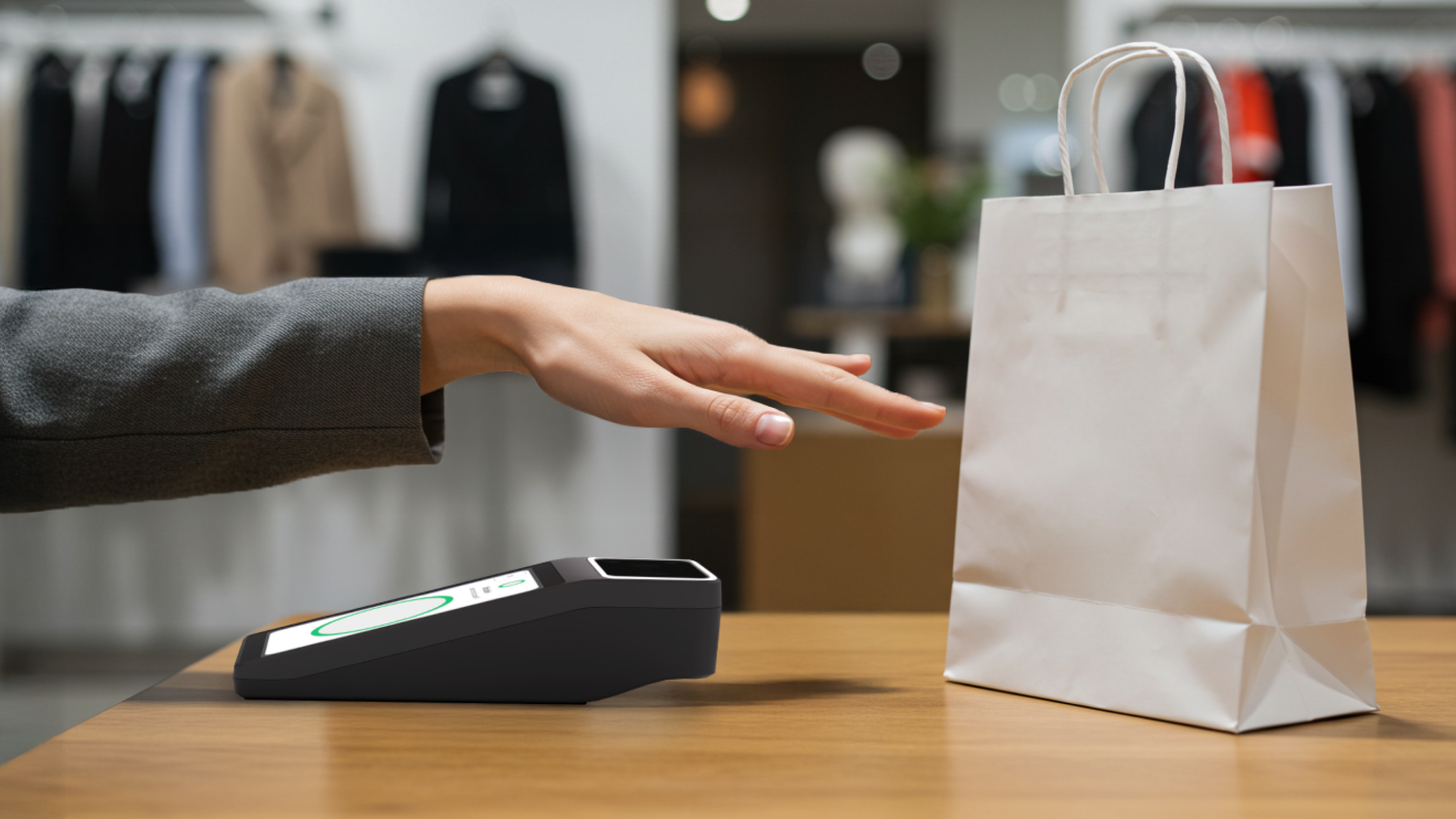 5 benefits of palm vein biometrics for payments
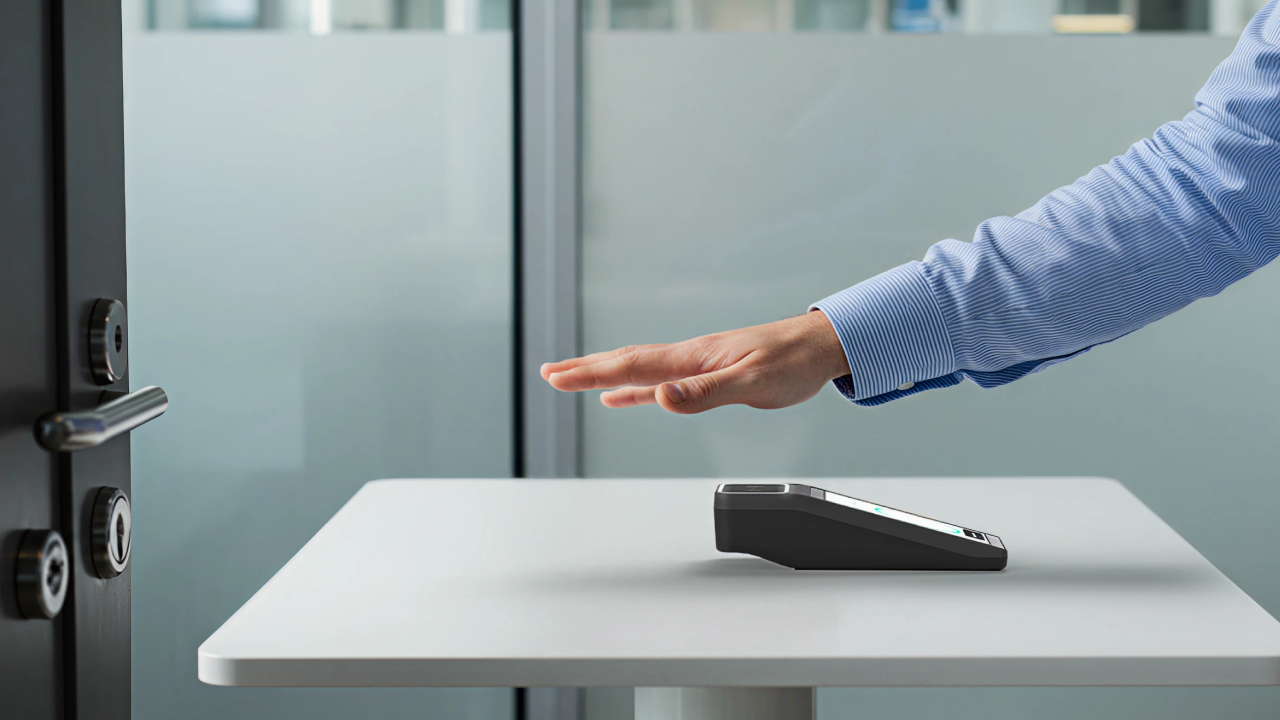 Biometric time cards with palm technology: Here’s what businesses should know
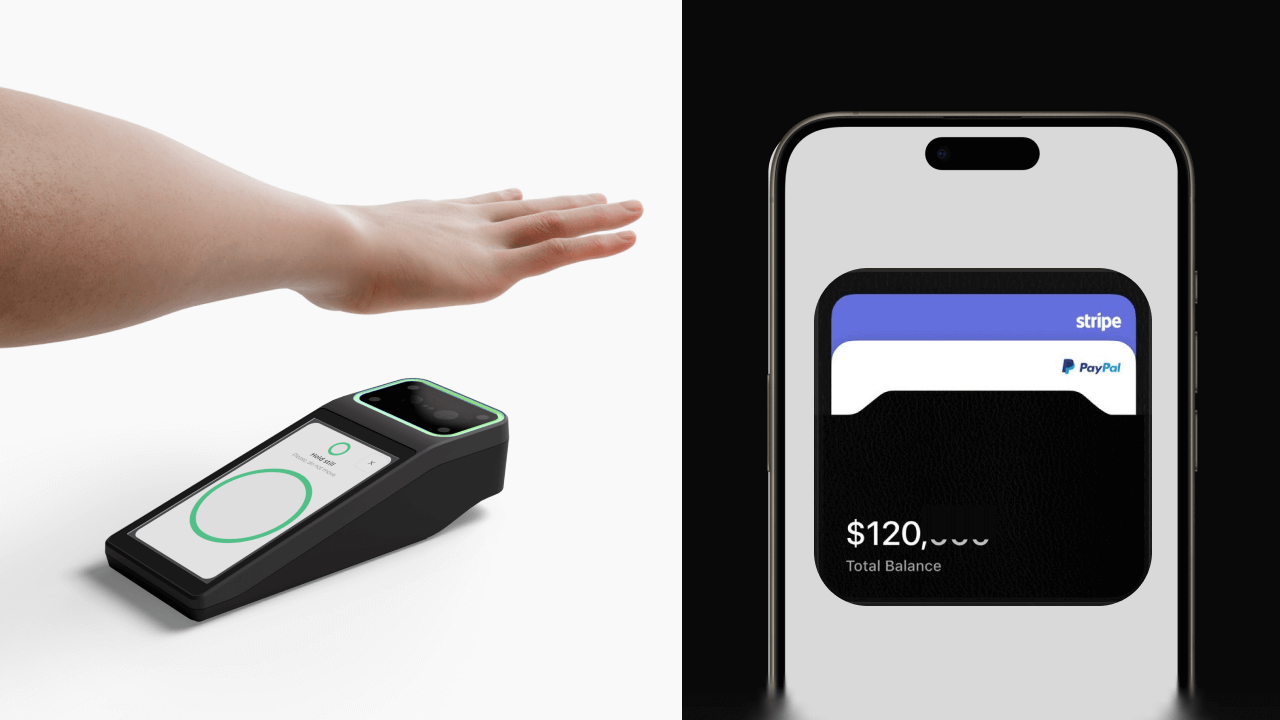 Biometric Wallets vs. Mobile Wallets: Why Palm Recognition Is the Future of Payments