
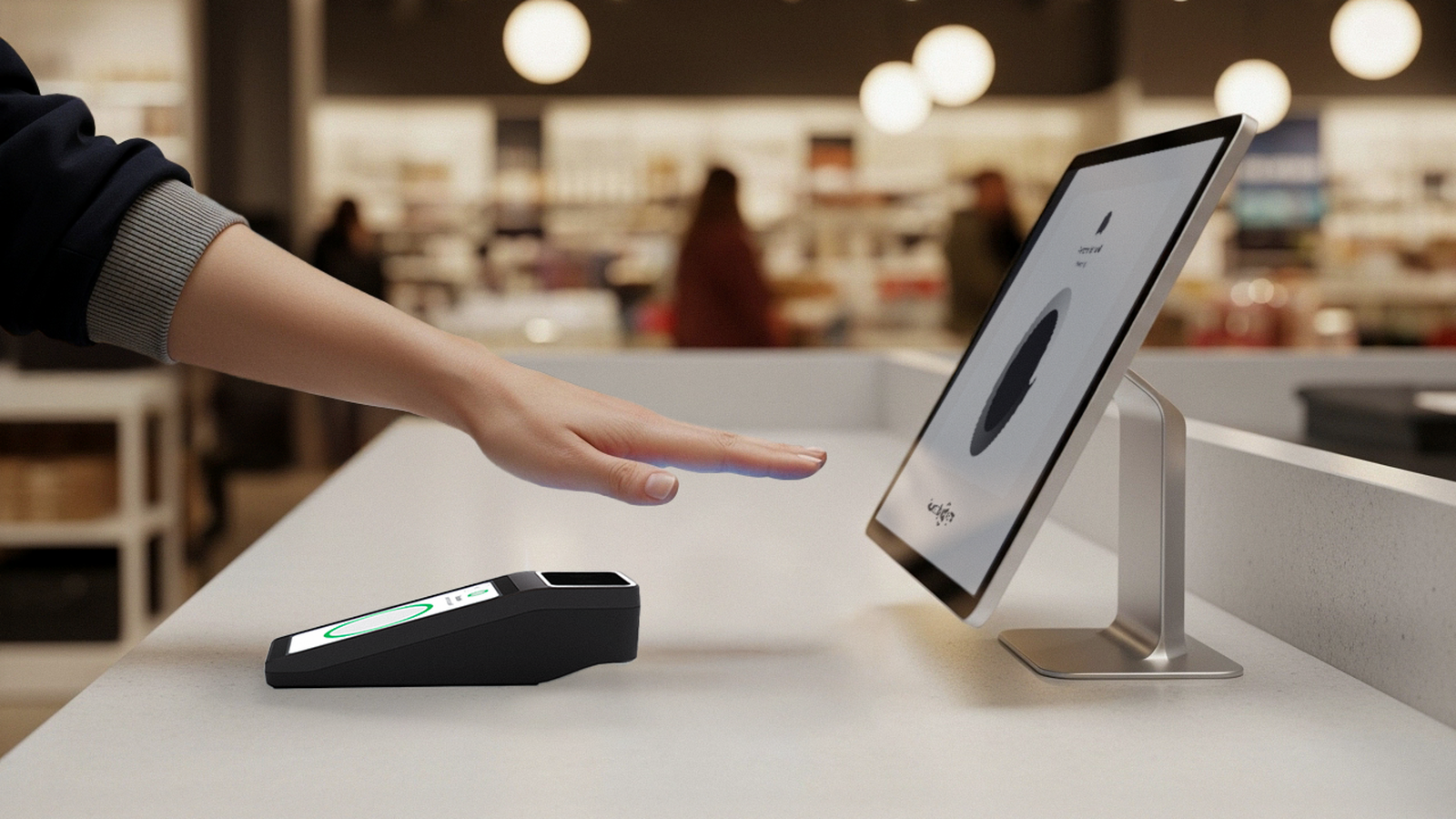
Reducing fraud, speeding up checkout, and creating a more hygienic, future-ready in-store experience.
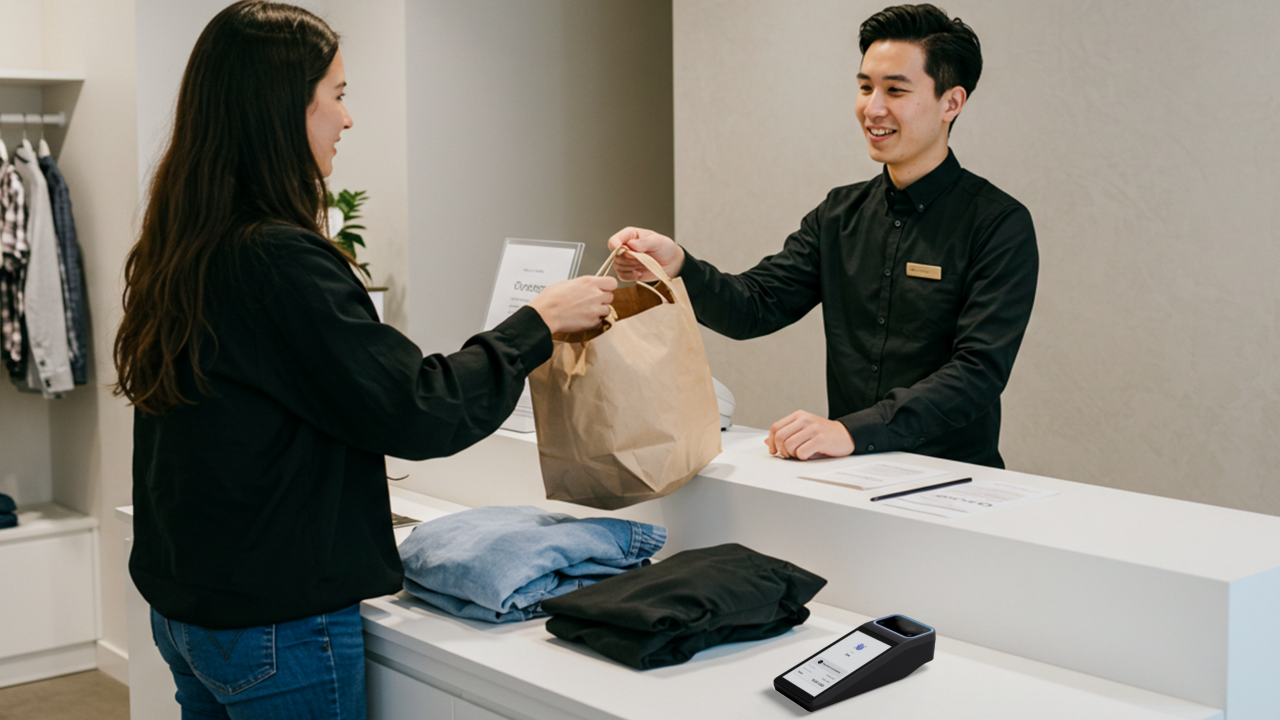
For brick-and-mortar retailers, the checkout counter is often both the heart of the in-store experience and its biggest bottleneck. During peak hours, think holiday shopping weekends, seasonal sales, or major product drops, queues can stretch, terminals lag, and the customer experience suffers.
At the same time, fraudulent transactions continue to rise, eating into margins and causing operational strain. Traditional payment methods, while familiar, come with vulnerabilities: cards can be stolen, PINs guessed, and mobile devices spoofed.
Add in growing concerns over shared surfaces and hygiene, and it’s clear why many retailers are exploring more secure, efficient, and modern ways to process transactions.
Here’s why contactless palm payment systems are transforming retail checkout.
What are palm payment systems?
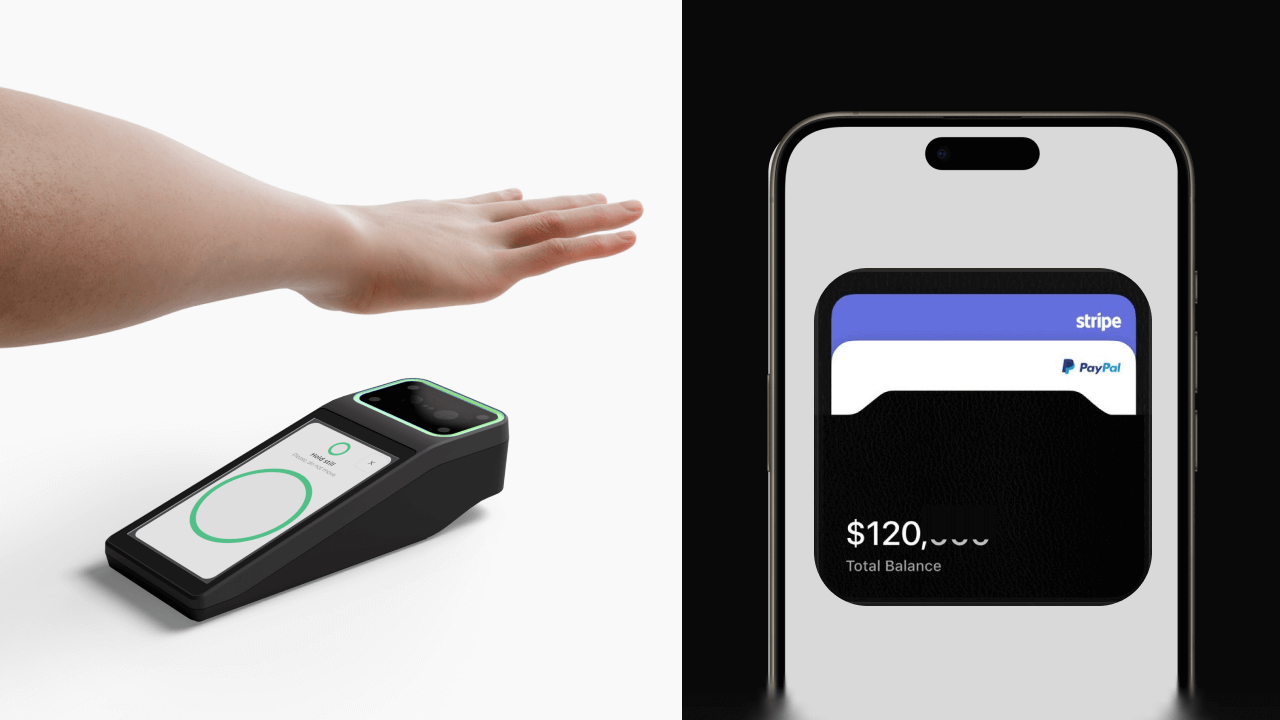
Palm payment systems use biometric technology to identify and authenticate individuals based on the unique patterns in their palm, including both surface features and subdermal vein structures.
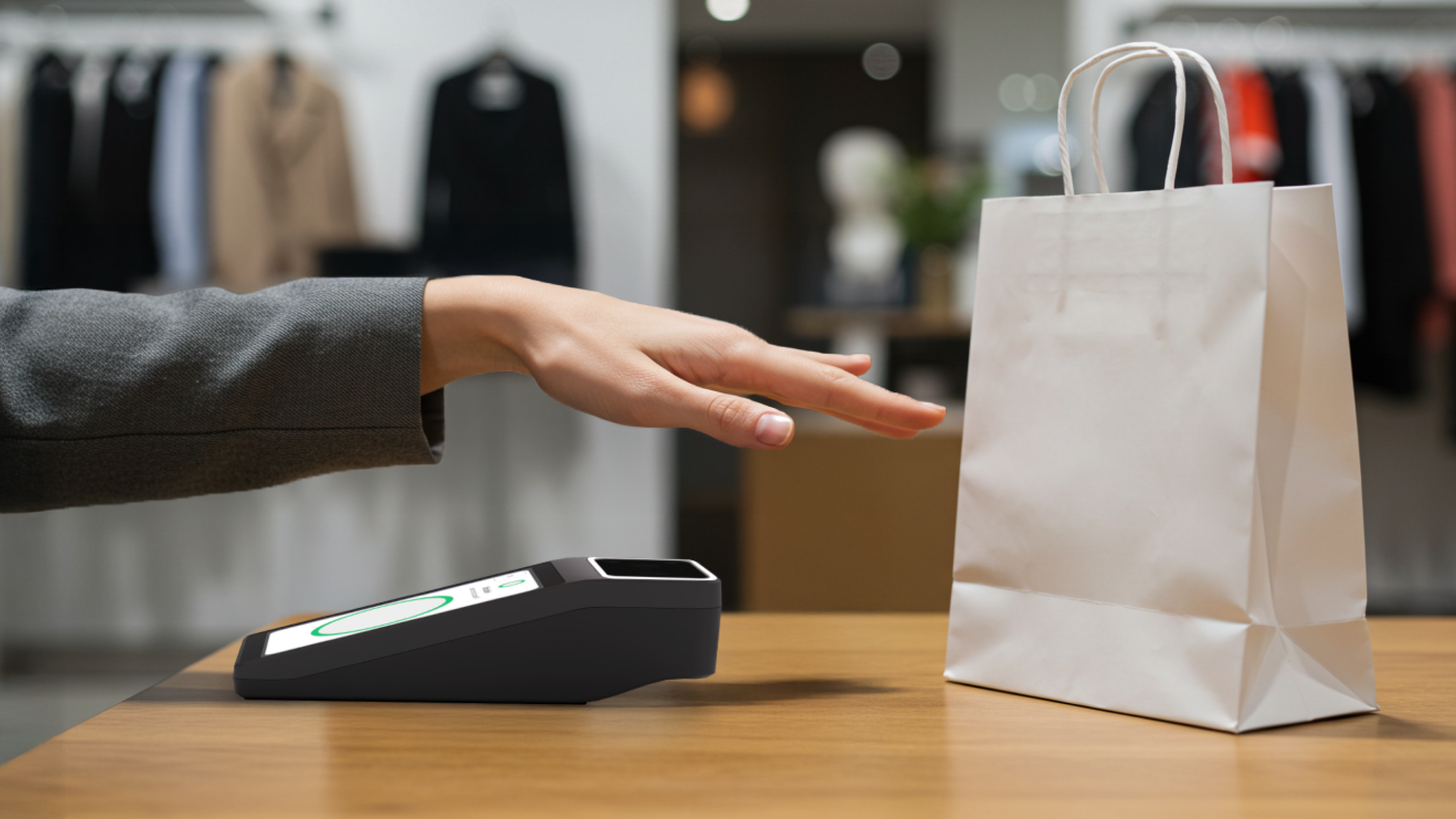
Once a shopper enrolls, their palm is securely linked to their preferred payment method. At checkout, they simply hold their hand over a sensor, and the payment is processed in seconds—no wallet, card, or phone required.
Unlike facial recognition, palm biometrics are private and non-shareable. Your palm can’t be lost, cloned, or easily captured at a distance, making it an ideal foundation for secure, contactless transactions.
1. Reducing fraud at the source
Fraud is a persistent, expensive problem for retailers. The National Retail Federation reports that shrink and payment fraud cost U.S. retailers over $112 billion in 2022, and fraudulent transactions surge during peak shopping periods.
Contactless palm payment systems help eliminate common fraud vectors:
Stolen or skimmed cards
Fake mobile wallets
Friendly fraud chargebacks
Shared PINs and credential theft
Because a palm is unique to the individual and can’t be used without their presence, palm-based authentication verifies identity before authorizing payment. This dramatically reduces the risk of fraudulent transactions and chargebacks, protecting retailers year-round.
During busy seasons like Black Friday or end-of-year sales, when fraud attempts peak, this extra layer of biometric security works silently in the background without slowing down lines or requiring extra staff.
2. Speeding up checkout lines, all year long
Long lines are more than an inconvenience, they can directly reduce sales. A study by Omnico found that nearly 70% of shoppers have abandoned a purchase because of slow checkout. Even a 10-second delay per transaction compounds quickly in high-volume environments.
Palm payments streamline checkout by removing steps:
No searching for wallets or phones
No inserting, tapping, or swiping cards
No entering PINs or waiting for mobile verification codes
The result is faster transaction times, higher throughput per terminal, and shorter queues. Store associates spend less time troubleshooting hardware or re-running declined cards and more time focusing on service and upselling.
For retailers, this kind of efficiency isn’t just for peak seasons—it delivers measurable operational benefits every single day.
3. Enhancing the in-store customer journey
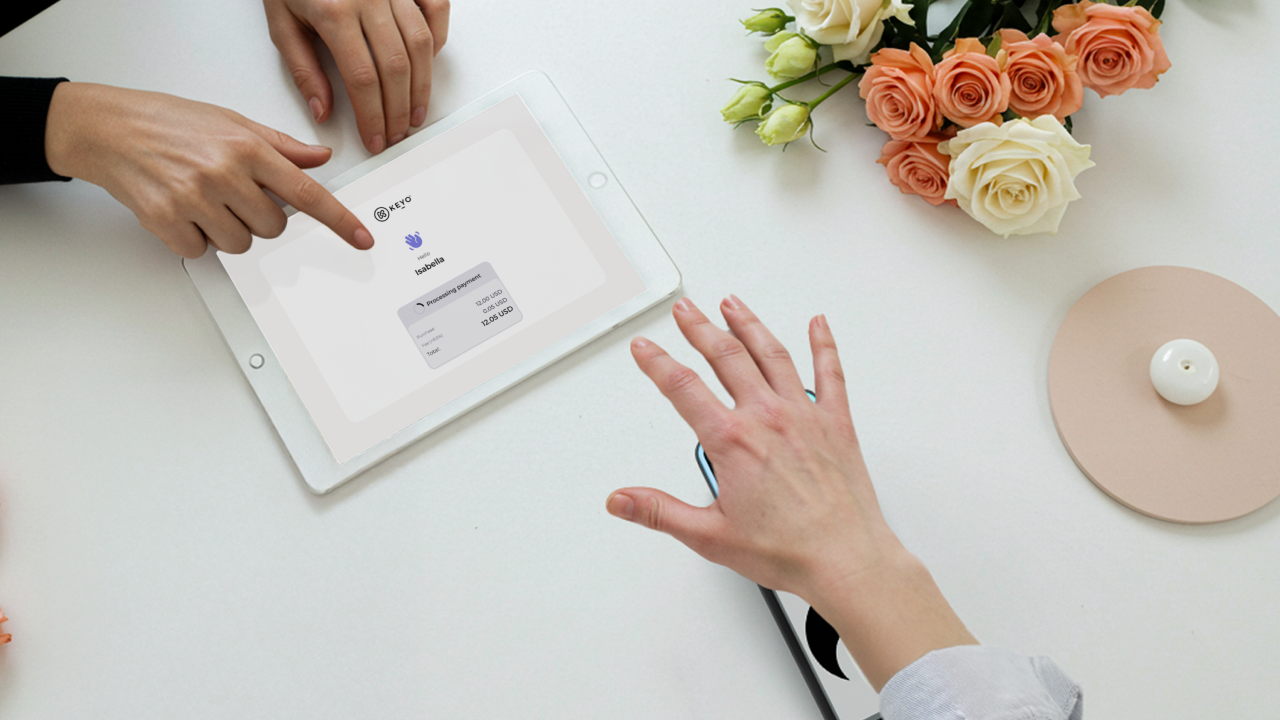
Beyond fraud and speed, palm payments offer a new layer of personalization and convenience. Because identity is verified instantly, retailers can:
Seamlessly integrate loyalty programs, applying rewards automatically at checkout.
Recognize repeat customers without requiring them to pull out cards or apps.
Tie offline and online profiles together to enable a truly omnichannel experience.
By making checkout nearly invisible, retailers can shift the focus back to the shopping experience itself, product discovery, service, and brand engagement, rather than queues and terminals.
4. Future-proofing brick-and-mortar payments
Retail technology evolves quickly. Legacy payment terminals can become outdated, expensive to maintain, and ill-suited to handle modern security and experience expectations. Palm biometrics offer a scalable, future-ready identity layer that works across POS systems, loyalty platforms, and mobile integrations.
Companies like Keyo are helping retailers adopt palm-based identity and payment solutions that integrate with existing infrastructure. By layering biometrics onto current POS systems, retailers can modernize without a full rip-and-replace—a critical factor for scaling across multiple locations.
As digital wallets, embedded finance, and AI-driven personalization reshape commerce, palm payments provide a stable foundation to stay ahead of the curve.
It’s Time for Retailers to Add Palm Payments to the Mix
As retail continues to evolve, contactless palm payments are becoming one of the most impactful innovations shaping the in-store experience. They strengthen security at the source, accelerate checkout, and unlock new levels of convenience and personalization—without requiring retailers to overhaul their existing systems. For brands looking to stay ahead of rising fraud, customer expectations, and the rapid pace of payments innovation, now is the time to start considering palm-based payments as a core checkout option.
Learn more at keyo.co or contact us hello@keyo.co
 5 benefits of palm vein biometrics for payments
 Biometric Wallets vs. Mobile Wallets: Why Palm Recognition Is the Future of Payments